Making Saint Louis the Nature City of the 21st Century

Making Saint Louis the Nature City of the 21st Century

Making Saint Louis the Nature City of the 21st Century

Friday, September 13, 2024
9 a.m. – 5 p.m.
Missouri Botanical Garden, Bayer Event Center

Join the Living Earth Collaborative and participants from local public institutions, governmental agencies, NGOs, and universities as we formulate a vision to make Saint Louis the Nature City of the 21st Century.

Building on the momentum generated from years of work by many across the region, we aim to convene a forum where our symposium speakers and participants can share aspirational visions for our city, issues that have hindered us, and programs that are addressing these issues.

Working groups will explore a variety of topics to help define what can make Saint Louis the Nature City of the 21st Century. Potential topics include biodiversity, urban planning, solutions to extreme weather, climate, and more. Help us show that our city can become a model of harnessing nature-based solutions for the betterment of both people and the environment.

Please be advised that by entering this event site you are agreeing to being filmed and/or photographed, and the resulting assets may be used for marketing or promotional purposes. Should you wish not to be photographed or recorded on video, please notify one of the event photographers or videographers.

Event Agenda

9:00 a.m. Registration Opens
9:15 a.m. Tabling and Poster Session Opens
9:30 a.m. Welcome Remarks

Peter Wyse Jackson, PhD
President, Missouri Botanical Garden
George Engelmann Professor of Botany

Feng Sheng Hu, PhD
Richard G. Engelsmann Dean of the College of Arts & Sciences, WashU
Lucille P. Markey Distinguished Professor

10:00 a.m. First Speaker Session

Regional Planning Presentation:

  • Elysia Russell, City Planning Executive – Sustainability Director, City of St. Louis
  • Paul Weatherford, Senior Planner for Long-Range Planning with St. Louis County
  • Aaron Young, Sustainability Planning Manager at East-West Gateway Council of Governments
  • Jay Turner, James McKelvey Professor of Engineering Education, WashU
  • Rebecca Hankins, Partnership Manager, Forest ReLeaf of Missouri

11:10 a.m. Break
11:25 a.m. Second Speaker Session

Missouri Botanical Garden Presentation

  • Glenda Abney, Vice President of Sustainability
  • Matthew Albrecht, Director, Center for Conservation and Sustainable Development
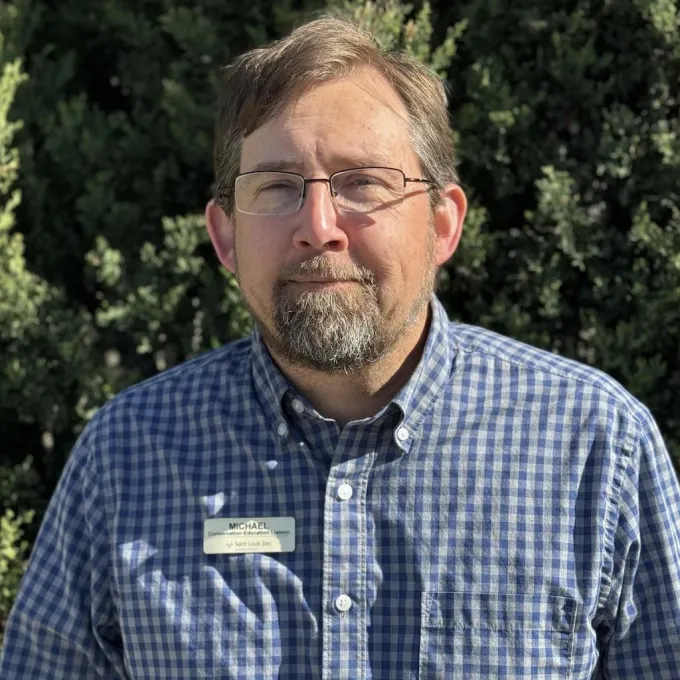
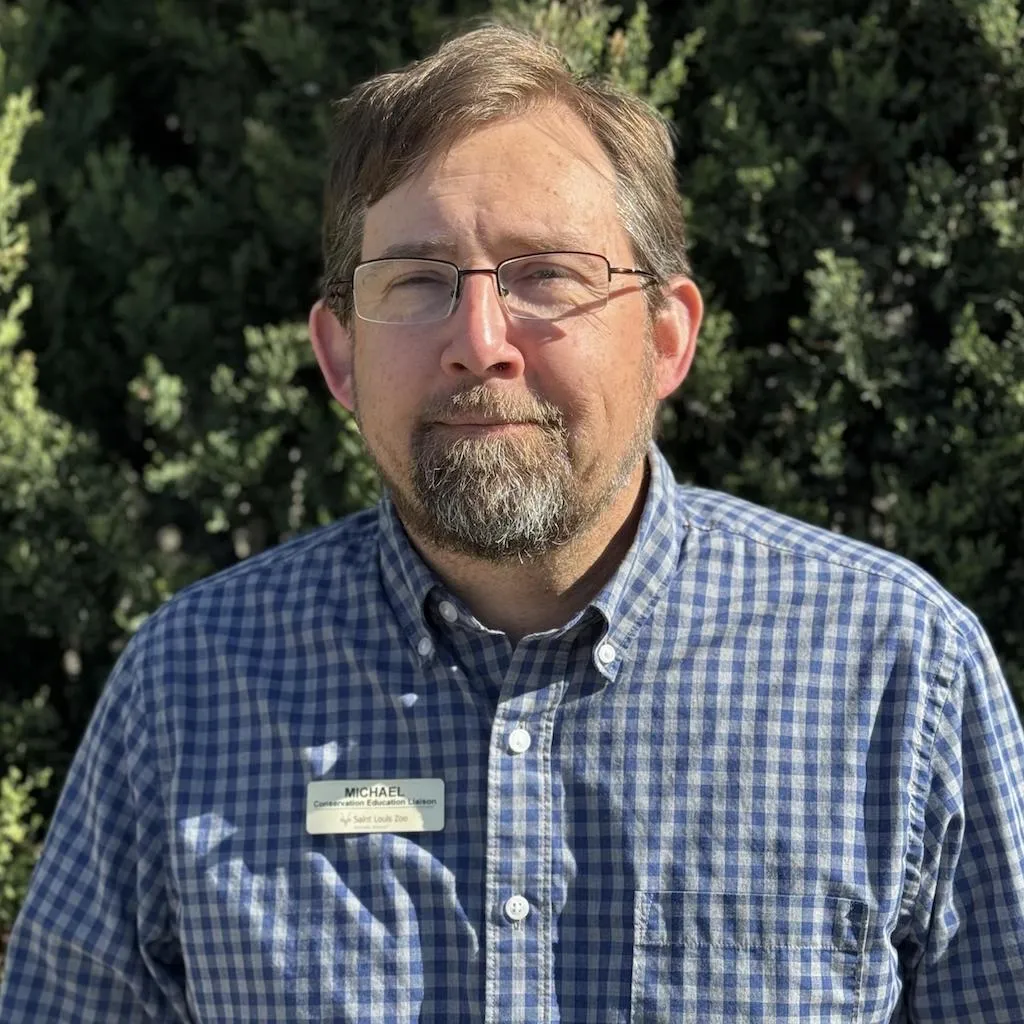
  • Michael Dawson, Educator/Conservationist, Saint Louis Zoo
  • Seth Denizen, Assistant Professor in Landscape Architecture, WashU


12:35 p.m. Lunch
1:15 p.m. Plenary Talk

Tim Beatley, PhD
Teresa Heinz Professor of Sustainable Communities, School of Architecture, University of Virginia
Founder and Executive Director, Biophilic Cities

2:15 p.m. Working Groups Begin
3:15 p.m. Break
3:30 p.m. Working Groups Continue
4:15 p.m. Working Groups Report Out
4:45 p.m. Tabling, Posters, and Networking
5:20 p.m. Biophilic Shorts Film Screening and Discussion with Tim Beatley

Frequently Asked Questions

What is the goal of the meeting?

The meeting’s goal is to advance urban biodiversity in the St. Louis metro region. The meeting will lead to the formation of working groups that will work to address specific issues relating to the interaction of biodiversity and people in St. Louis.

How is "St. Louis" defined: the city or the region?

The meeting’s scope is the St. Louis metro region.

Will Wi-Fi be available?

Attendees will have access to Missouri Botanical Garden’s public Wi-Fi.

5:20 – 6:30 p.m.

Biophilic Film Screening

After the symposium, we invite attendees to a special post-event screening of short biophilic films. These films from Biophilic Cities showcase the importance of integrating nature into urban spaces, ensuring daily connections with the natural world, and recognizing cities’ role in conserving biodiversity.

During the screening, Tim Beatley will lead a thought-provoking discussion on how cities can act as shared habitats for humans and non-human life.

Don’t miss this chance to unwind, connect, and deepen your understanding of the biophilic movement!

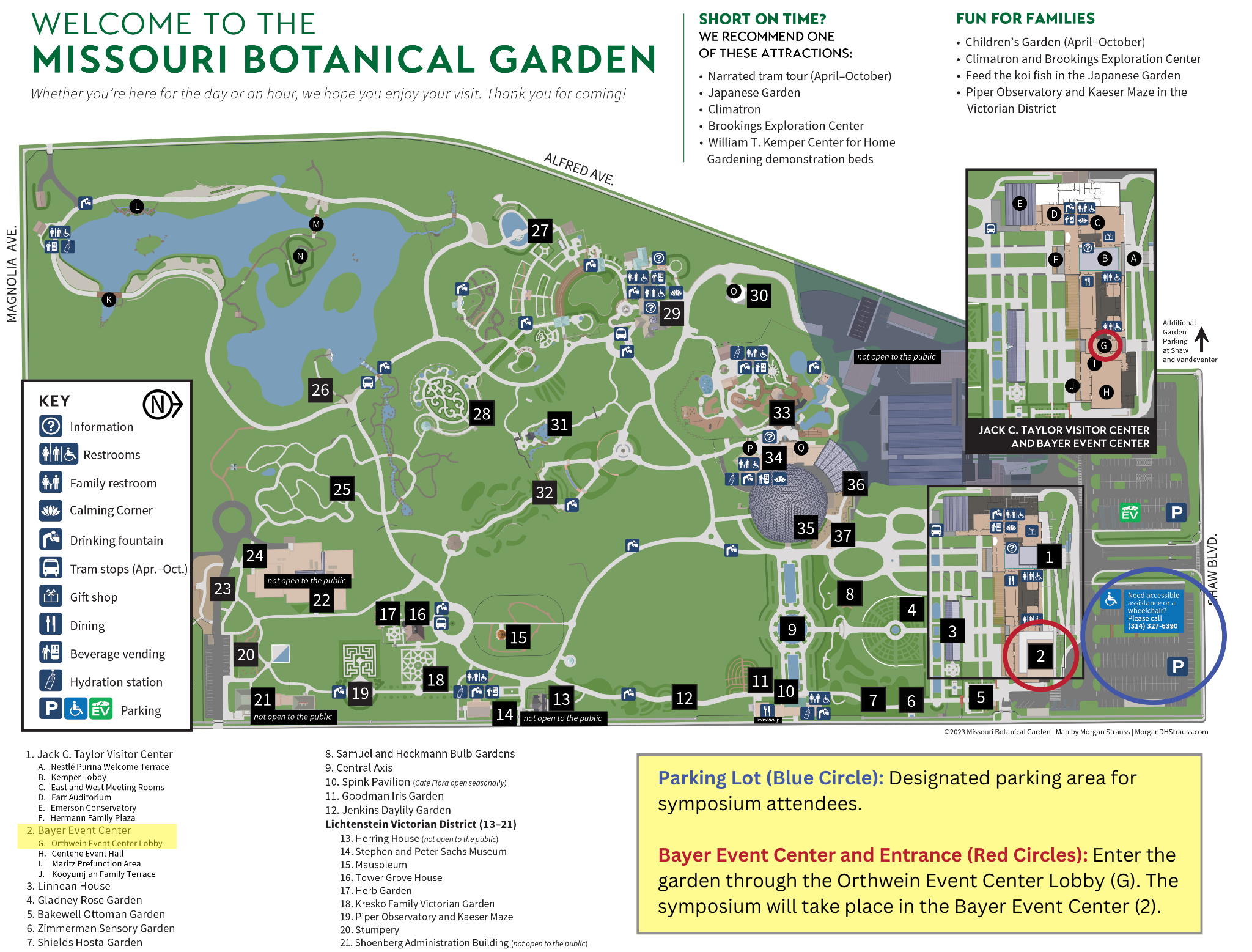
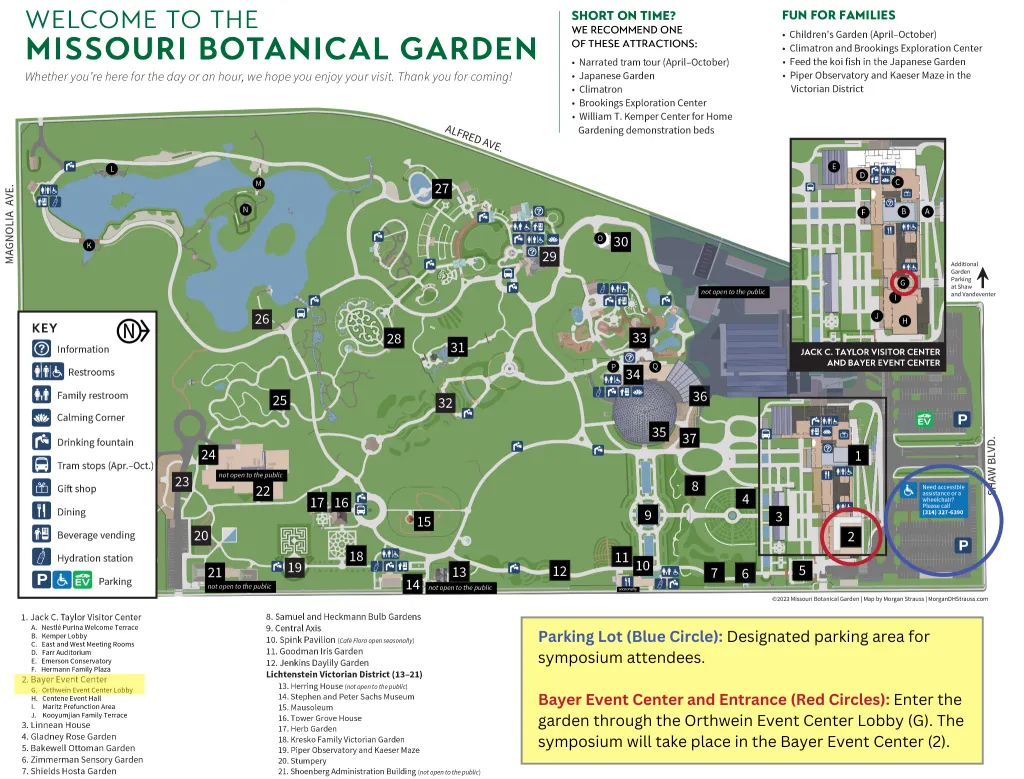
Location & Parking

The Symposium is taking place at the Bayer Event Center on the main campus of the Missouri Botanical Garden (4344 Shaw Blvd, St. Louis, MO 63110). If using a navigation app, be sure to put in the Garden’s address.

Click the image above to see a full-screen version of the map.


Working Groups

Access to Nature: This group will explore strategies to enhance access to nature within urban environments through safe walking and biking trails, the creation of secure and inviting green spaces, and the integration of physical and nature education. The group will also consider the role of citizen and community science in fostering a deeper connection with the natural world.

Biodiversity: Dedicated to preserving and enhancing urban biodiversity, this working group will address the importance of species diversity, genetic diversity, and functional diversity among animals, plants, and microorganisms. Participants will discuss current challenges and opportunities for sustaining biodiversity in the urban context.

Heat: This group will examine the impacts of the urban heat island effect and climate change on cities as well as the influence of the built environment on temperature regulation, the role of green infrastructure in mitigating heat, and strategies for creating cooler urban spaces.

Plants/Trees: Focusing on urban flora, this group will delve into species and genetic diversity, adaptation to climate change, and the resilience of plant communities. Topics to consider include the age structure of urban trees, their locations, maintenance, and vulnerability to pests and pathogens. The group will highlight solutions: importance of invasive species removal, urban agriculture, rain gardens, and pollinator gardens.

Public Health: This working group will explore the multifaceted relationship between public health and urban greening initiatives. Participants will discuss how increasing green spaces in cities can promote overall well- being, and discuss health risks related to infectious diseases, heat risks, water quality, and physical fitness. The group will also examine how greening urban areas can mitigate health risks and improve community resilience in the face of environmental challenges.

Water: Addressing water-related challenges in urban areas, this group will focus on issues such as floods, droughts, water quality, and stormwater management. The discussions will also cover the impact of the built environment on water systems and explore sustainable practices for urban water management.